Today’s ‘Almost’ Could Be Tomorrow’s Tragedy

The culture of the “near miss”: why we ignore close calls in occupational risk prevention
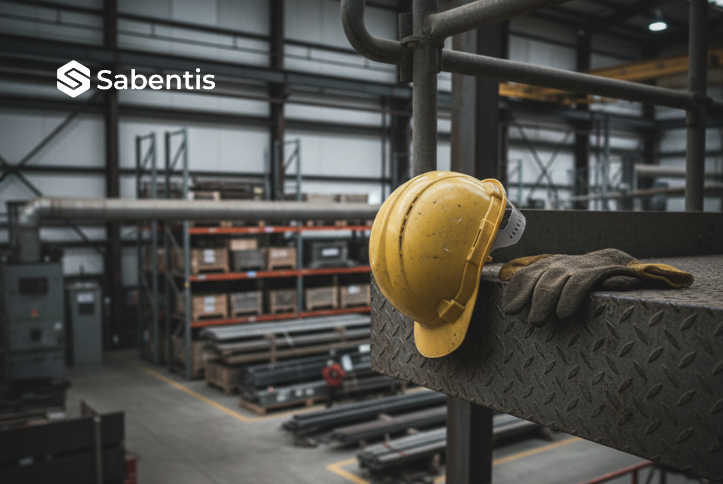
It wasn’t an accident. But it almost was.
A stumble on the stairs. A falling object that missed a worker by inches. A procedural error that didn’t cause harm… this time.
We call them “close calls” and forget them as quickly as they happen.
But these close calls should be treated as golden opportunities. Because every “almost” we ignore is a story of prevention left untold. Incident management aligns with standards such as ISO 45001.
What is a near miss and why should you care?
A near miss is an incident that doesn’t cause injury or damage, but could have under slightly different circumstances.
It’s not just a fluke. It’s a symptom.
And like any good symptom, it’s telling us something about an unsafe condition, a risky behavior, a faulty machine, or a flawed routine. It is one of the invisible signs that predict a workplace accident.
🔍 Ignoring a “near miss” is missing a chance to prevent the inevitab
Why do we ignore them? (the near miss)
Many organizations build their safety culture around “hard data”: accidents, lost-time injuries, reportable incidents.
Near misses don’t show up in those metrics. And what doesn’t get measured, doesn’t get managed. This reflects the maturity of a company’s safety culture in the workplace.
There’s also a mistaken belief: if nothing happened, there’s no problem.
But that reactive mindset makes us blind to what could have been avoided.
Common reasons:
- No process in place to report them
- Fear or blame culture
- Risk normalization: “This always happens, and nothing ever goes wrong”
- Operational overload: no time to analyze what didn’t happen
What happens when we take them seriously?
📈 Anticipatory prevention: each near miss is a rehearsal for a real accident. Studying them helps stop incidents before they occur.
🔁 Culture of continuous improvement: discussing near misses builds open communication and reinforces safety commitment.
🔎 Proactive pattern analysis: repeated close calls in the same task or area expose systemic issues.
📊 More complete indicators: KPIs should include the invisible, not just the obvious. This is precisely how AI anticipates accidents.
Turning a “near miss” into real improvement
Here’s how to make near misses count:
| Action | Result |
|---|---|
| Define what a near miss means for your organization | Clarity across all teams |
| Create easy, anonymous reporting channels | Encourages participation without fear |
| Regularly analyze near miss reports | Detect trends and hidden risks |
| Take action: revise procedures, train, mark areas | Every action strengthens prevention culture |
| Share learnings company-wide | Builds trust and shows the value of reporting |
And this is where Sabentis helps
A culture of prevention needs tools that don’t forget what human memory might.
With Sabentis, you can: These tools are part of the Sabentis occupational risk prevention software.
🟢 Create custom near miss report forms, accessible from any device
📊 Visualize risk patterns in real-time dashboards, with filters by task, site or department
🚨 Trigger automated alerts when repeated events occur
📥 Link each report to corrective actions and responsible parties even when “nothing” happened
📁 Export reports for audits, internal analysis or safety planning
At Sabentis, we believe that what didn’t happen… still deserves to be managed.
❓ FAQ
What is a near miss in occupational safety?
An event that caused no harm, but could have led to an accident under different circumstances.
Why are near misses important in risk prevention?
They provide early warnings of unsafe conditions, helping to prevent real incidents.
How can I encourage reporting in my company?
Set up easy, blame-free reporting channels, respond to every case, and share the improvements made.
Final Thought: Don’t ignore the warning sign
The difference between a near miss and an actual accident could be a matter of seconds, a decision, or a single movement.
Though they rarely make headlines, near misses are mirrors of potential danger.
If we ignore them, we let luck take the lead in safety.
If we take them seriously, they become the foundation of smarter, more human, and more proactive prevention.